Divorce doesn’t just end a marriage—it resets your entire life.
For men over 50, divorce often brings:
- Disrupted routines
- Increased stress
- Weight gain or muscle loss
- Low energy and poor sleep
Fitness stops being about appearance and starts becoming about regaining control.
I realized my body was carrying the weight of my divorce—physically and emotionally.
I wasn’t sleeping. I stayed up late with negative thoughts, which drained my energy and made physical activity feel impossible. Poor eating choices and constant stress followed. I gained weight, felt sluggish, and my mental health declined along with my physical health.
That was the moment I understood something had to change.
I didn’t just need to “get back in shape.”
I needed to rebuild my life—and my health couldn’t afford to keep declining.
I learned that fitness after divorce for men over 50 has to be sustainable. It needs to act as a keystone habit—one habit that naturally leads to better sleep, better eating, and better mental health.
The Biggest Fitness Mistake Men Make After Divorce
Many divorced men over 50 approach fitness like damage control.
They train harder.
They punish their bodies.
They ignore recovery.
This almost always leads to burnout or injury.
After divorce, fitness should create stability, not more chaos.
After my divorce, when I decided to work out again, I started with unrealistic routines that weren’t sustainable. I worked out too much, pushed too hard, and didn’t allow time for recovery. I was essentially punishing my body.
These are common divorced men fitness mistakes—overtraining, inconsistency, and focusing on intensity instead of longevity.
What actually needed fixing wasn’t my body—it was my approach.
I needed a healthy fitness routine I could sustain. Something I could show up for consistently. Consistency—and allowing my body time to recover—became the foundation.
Once I chose a healthier lifestyle, my mood improved because my sleep improved. Better sleep led to better workouts. I stopped going all out and instead developed a sustainable fitness plan that allowed me to recover and show up week after week.
I started small—literally with morning walks. Over time, my energy improved and I naturally started going to the gym. I wasn’t trying to rebuild my body quickly. I focused on consistency, avoided burnout, and saw steady improvements over time.
Walking After Divorce: The Most Sustainable Way to Get Back in Shape After 50
Walking is often the first habit divorced men stick with—and for good reason.
Benefits for men over 50:
- Reduces stress and anxiety
- Improves heart health
- Supports weight loss without joint strain
- Creates structure during lonely or quiet days
Walking became my low-impact foundation.
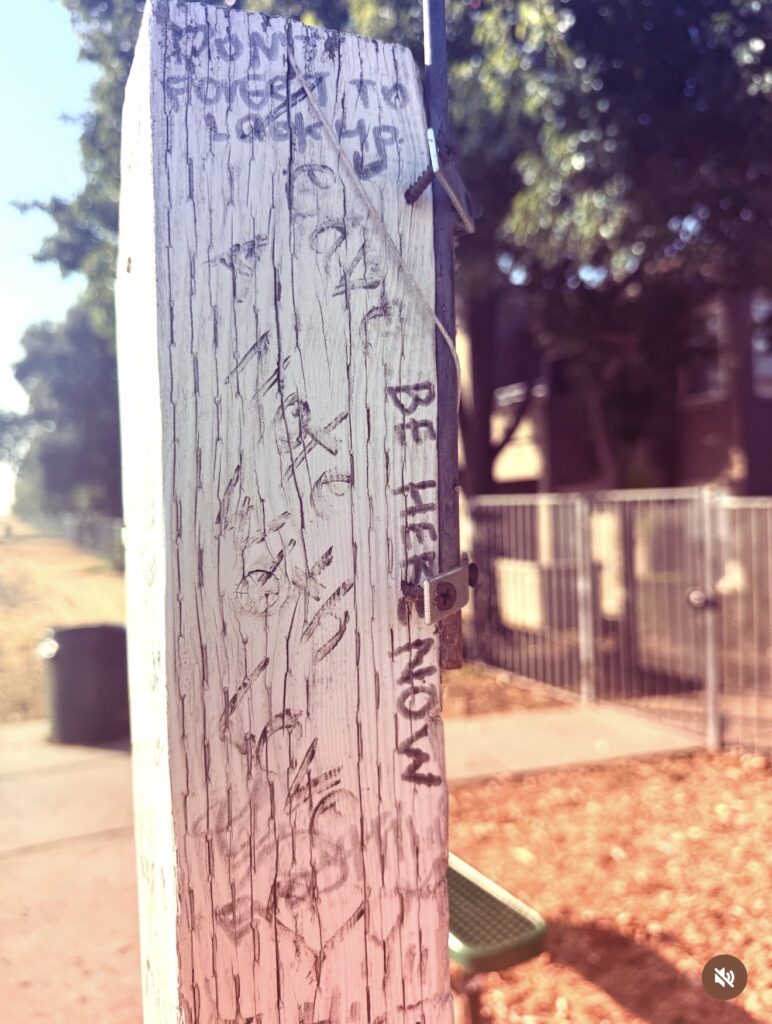
One morning walk stands out more than any conversation I had during that time. I passed a post with writing on it. On my way back, I stopped to read it. The message was a perfect reminder—to be present, to enjoy the moment, instead of living in my head replaying negative thoughts.
That walk changed how I used walking.
Now, my daily walks are about presence. About enjoying the scenery, how my body feels, and the quiet discipline of showing up. Walking gave me structure—and structure gave me peace.

Strength Training After 50: Rebuilding Confidence After Divorce
Strength training isn’t about lifting heavy anymore.
For divorced men over 50, it’s about:
- Regaining confidence
- Protecting joints
- Preserving muscle mass
- Feeling capable again
Done correctly, lifting becomes an act of self-respect.
Once I built structure and discipline into my life, I noticed my body getting stronger—and I started seeing my post-divorce life as a rebuild, not a loss.
I wasn’t lifting weights for anyone else. I was lifting for myself.
I felt great after workouts. I looked better in my clothes. My posture changed. How I showed up changed. My confidence and overall sense of well-being improved.
Strength training became physical proof that I was moving forward.
Recovery and Sleep: Why Divorced Men Over 50 Must Prioritize Rest
Post-divorce stress wrecks recovery.
Without sleep:
- Fat loss stalls
- Muscle recovery slows
- Motivation disappears
Recovery isn’t optional—it’s foundational.
At first, I was in a rush to get into great shape. I ignored rest and sleep, which left me sluggish, sore, and frustrated by the lack of results.
Over time, as I developed a sustainable routine—with rest days and better sleep—I started seeing real progress.
Your body doesn’t rebuild during workouts.
It rebuilds during rest.
That was a lesson I had to learn the hard way.
Nutrition After Divorce: Simple Eating Habits That Actually Work After 50
After divorce, many men fall into survival eating.
What works better:
- Consistent meals
- Higher protein intake
- Fewer processed foods
- Eating for steadiness, not extremes
Living alone taught me the value of cooking for myself instead of relying on fast food or low-nutrition meals.
I saved money by grocery shopping intentionally and focusing on healthier options. Over time, I actually enjoyed cooking. I became a decent home chef—and yes, cooking for dates didn’t hurt either.
My mood improved. My physique improved. And my nutrition fueled my workouts.
I also added supplements like a daily multivitamin, ashwagandha, protein shakes, mushroom coffee, and nighttime mushroom cocoa to support my workouts, mood, and weight management.
Fitness After Divorce Is About Structure, Not Reinvention
For men over 50, fitness after divorce provides:
- Daily structure
- Emotional regulation
- A sense of progress
- Personal accountability
It’s not about becoming someone new.
It’s about rebuilding trust with yourself.
When I committed to a sustainable fitness routine, it stabilized other areas of my life. I applied the same principles everywhere—consistency, patience, and sustainability.
Fitness stopped being a routine I tried to force.
It became a lifestyle.
A Message to Divorced Men Over 50 Starting Over
You don’t need to rush transformation.
You need a body that supports:
- Your mental health
- Your independence
- Your next chapter
Getting in shape after 50—after divorce—isn’t dramatic.
It’s consistent.
It’s grounded.
And it works.
What being in shape means to me:
Living a healthy lifestyle built on consistency, discipline, and structure—one that supports the life I’m intentionally building.